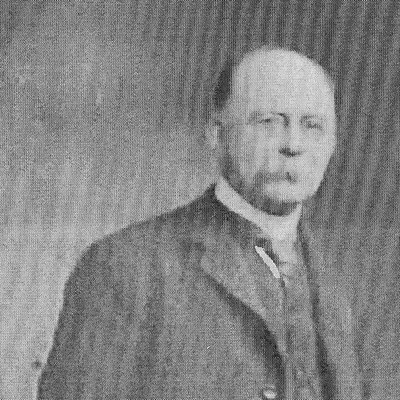
奥古斯丁·亨利
Augustine Henry
人物简介
1880年代在中国湖北采集杜仲标本寄往邱园,直接促成杜仲的科学命名。
事迹
奥古斯丁·亨利(Augustine Henry,1857—1930)是一位爱尔兰籍医官与植物采集家,1881至1900年间在中国海关任职。约在1887—1890年间,他在湖北采集到当地人称“杜仲(Tu-chung)”的树木标本(含叶片与果实),寄回英国邱园鉴定。
正是这批标本,让奥利弗得以完成杜仲的科学命名。亨利在标本记录中特别注明:这种树皮“被中国人极为珍视、作药用、售价颇高”。一位西方博物学者,以田野之功,为杜仲走向世界写下了第一笔注脚。
代表贡献
- 采集首批用于科学命名的杜仲标本
- 记录杜仲树皮在华的珍贵药用价值
- 架起杜仲从中国走向世界的桥梁
Profile
Collected the Hubei specimens sent to Kew in the 1880s that made Eucommia’s naming possible.
Story
Augustine Henry (1857—1930), an Irish medical officer and plant collector, served in China’s customs from 1881 to 1900. Around 1887—1890 he collected in Hubei specimens of a tree locally called “Tu-chung” (with foliage and fruit) and sent them to Kew for identification.
It was these specimens that enabled Oliver to name Eucommia. Henry noted on his labels that the bark was “a most valued medicine with the Chinese, selling at a high price.” A Western naturalist’s fieldwork wrote the first footnote in Eucommia’s journey to the world.
Key Contributions
- Collected the specimens used to name Eucommia
- Recorded the bark’s prized medicinal value in China
- Bridged Eucommia from China to the world

i 杜仲 · 杜仲全产业链大数据平台i DuZhong · Eucommia Full-Chain Data Platform
iduzhong.factorydossier.com