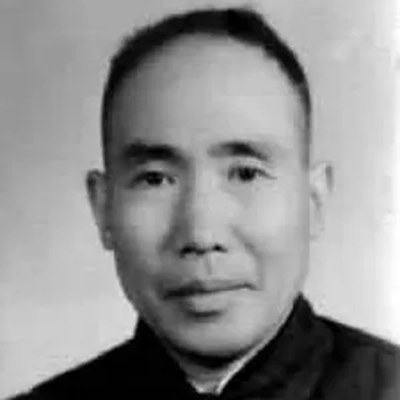
陈嵘
Chen Rong (Zeny Chen)
人物简介
《中国树木分类学》首次以近代分类学体系详记杜仲形态与生产。
事迹
陈嵘(1888—1971),字宗一,浙江安吉人,中国近代林学开拓者、树木分类学奠基人之一。杜仲作为中国特有经济林木,是他重点关注和记述的树种之一。
在1937年刊行的《中国树木分类学》中,陈嵘以近代植物分类学体系系统记述了杜仲(Eucommia ulmoides Oliv.)的形态特征与生产利用情况,将这一《神农本草经》时代的传统药材纳入现代林业科学框架。该书记述为后来杜仲作为经济树种(树皮、杜仲胶、木材)的科学研究与产业开发提供了最早的本土分类学文献基础。
重要活动 / 事件
- 早年留学美国哈佛大学、德国萨克逊林学院研习树木学与造林学
- 历任金陵大学、中央大学森林系教授,参与创建中国林学会
- 毕生倡导植树造林,1930年代主持中华农学会等机构绿化调查
代表贡献
- 1937年出版《中国树木分类学》,为中国人自著的第一部树木分类学专著
- 书中对杜仲的形态特征、生产情况作了较详细的近代科学记述,杜仲科(Eucommiaceae)作为单型科列入
- 曾任金陵大学森林系主任,是中国近代林学与树木分类教育奠基人
- 其著作为《中国植物志》等后续文献记述杜仲的重要本土起点
Profile
His Zhongguo Shumu Fenleixue (Taxonomy of Chinese Trees) first described Eucommia's morphology and production in detail within the modern taxonomic system.
Story
Chen Rong (1888–1971), courtesy name Zongyi, of Anji in Zhejiang, was a pioneer of modern Chinese forestry and a founder of dendrological taxonomy. Eucommia, as a tree of economic value endemic to China, was one of the species he focused on and documented.
In his Taxonomy of Chinese Trees, published in 1937, Chen Rong systematically described the morphology and productive utilization of Eucommia (Eucommia ulmoides Oliv.) within the modern botanical taxonomic system, bringing this traditional medicinal of the Shennong's Classic era into the framework of modern forestry science. His account provided the earliest indigenous taxonomic documentary basis for later scientific research and industrial development of Eucommia as an economic tree species (bark, gutta-percha, timber).
Milestones
- In his early years studied dendrology and silviculture at Harvard University and the Saxon Academy of Forestry in Germany
- Served as professor of forestry at the University of Nanking and National Central University, and participated in founding the Chinese Society of Forestry
- Advocated afforestation all his life, directing greening surveys for the Chinese Agricultural Society and other bodies in the 1930s
Key Contributions
- In 1937 published Taxonomy of Chinese Trees, the first dendrological taxonomy monograph authored by a Chinese scholar
- The book gives a fairly detailed modern scientific account of Eucommia's morphological characteristics and production, listing the Eucommiaceae as a monotypic family
- Served as head of the Forestry Department at the University of Nanking; a founder of modern forestry and dendrological-taxonomy education in China
- His work is the important indigenous starting point for later literature such as Flora Reipublicae Popularis Sinicae in treating Eucommia

i 杜仲 · 杜仲全产业链大数据平台i DuZhong · Eucommia Full-Chain Data Platform
iduzhong.factorydossier.com