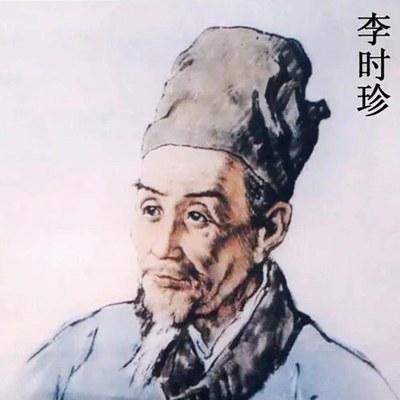
李时珍
Li Shizhen
人物简介
将杜仲归入木部“三木”,释名“昔有杜仲服此得道,因以名之”,并记皮中银丝如绵。
事迹
明代医药学家李时珍在《本草纲目》木部中,将杜仲与厚朴、黄柏并称为药材行业的“三木”。他在【释名】中写道:“昔有杜仲服此得道,因以名之;思仲、思仙,皆由此义。”
他敏锐地记录了杜仲最独特的物理特征——“其皮中有银丝如绵,故曰木绵”,即今天人们熟知的杜仲胶(杜仲丝)。早在《神农本草经》中,杜仲已被列为上品,谓“久服轻身耐老”。李时珍的系统记载,使杜仲的药用价值与文化意象在中华本草体系中就此定格。
代表贡献
- 《本草纲目》系统记载杜仲药用
- 释名“服此得道,因以名之”
- 最早记录“皮中银丝如绵”的杜仲胶特征
Profile
Placed Eucommia among the “three barks”; recorded its name origin and its silvery gum threads.
Story
In the Ming-dynasty Compendium of Materia Medica, Li Shizhen grouped Eucommia with magnolia and phellodendron bark as the trade’s “three barks”, and explained its name: “one Du Zhong took this and attained the Way, hence the name; Sizhong and Sixian both derive from this.”
He recorded its most singular trait — “silver silk like cotton within the bark” — today’s Eucommia gum. Long before, the Shennong Materia Medica had ranked Eucommia a top-grade herb that “lightens the body and resists ageing.” Li’s account fixed Eucommia’s medicinal and cultural place in the Chinese herbal canon.
Key Contributions
- Systematic Materia Medica record of Eucommia
- Documented the origin of its name
- Noted the “silver silk in the bark” — Eucommia gum

i 杜仲 · 杜仲全产业链大数据平台i DuZhong · Eucommia Full-Chain Data Platform
iduzhong.factorydossier.com