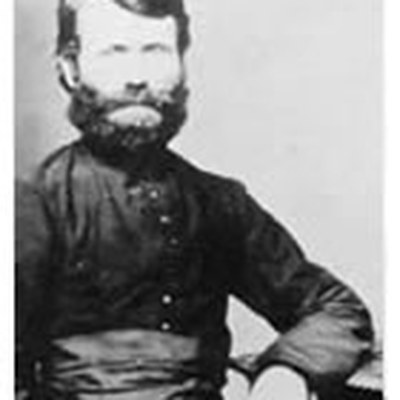
保罗·法尔热
Paul Farges
人物简介
在中国川东北采集到杜仲开花标本,使奥利弗于1895年补充完善杜仲的科学描述。
事迹
1890年奥利弗首次命名杜仲时,手中只有叶片与果实标本、缺少花的材料,因而无法确定其科属归属。数年后,在中国川东北传教并从事博物学采集的法国人保罗·法尔热(Paul Farges)采集到杜仲的开花标本。
正是这批带花标本,让奥利弗得以在1895年发表补充描述与新的图版,展示杜仲的雌、雄花,并据解剖学研究重新厘定其分类位置。一位在华的西方采集者,为杜仲“独科、独属、独种”的科学身份补上了关键一笔。
代表贡献
- 采集杜仲的开花标本
- 促成1895年杜仲描述的补充完善
- 帮助厘定杜仲的分类位置
Profile
Collected flowering Eucommia specimens in NE Sichuan, enabling Oliver’s refined 1895 description.
Story
When Oliver first named Eucommia in 1890 he had only leaf and fruit material — no flowers — and could not settle its family. Years later Paul Farges, a French missionary and naturalist collecting in northeastern Sichuan, obtained flowering specimens of the tree.
Those flowering specimens let Oliver publish an emended description and new plates in 1895, showing the male and female flowers and, through anatomical study, repositioning Eucommia in the system — a Western collector in China adding a decisive stroke to the scientific identity of this one-family, one-genus, one-species tree.
Key Contributions
- Collected flowering Eucommia specimens
- Enabled Oliver’s refined 1895 description
- Helped settle Eucommia’s classification

i 杜仲 · 杜仲全产业链大数据平台i DuZhong · Eucommia Full-Chain Data Platform
iduzhong.factorydossier.com