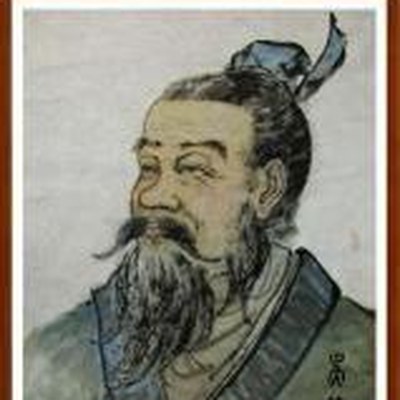
吴普
Wu Pu
人物简介
著《吴普本草》,最早记录杜仲别名'思仲''木绵'。
事迹
吴普为三国时期魏国广陵人,名医华佗弟子,以重视本草著称。其《吴普本草》汇辑汉魏以前诸家药性学说,是研究《神农本草经》早期流传面貌的重要文献。原书宋代以后亡佚,今人赖《太平御览》《证类本草》等书的引文辑复。
在杜仲条上,《太平御览》卷九百九十一引《吴普本草》曰:'杜仲,一名木绵,一名思仲。'这两条异名后被《名医别录》《证类本草》等历代本草继承,'木绵'一名暗合杜仲皮折断后银丝相连的性状特征,成为该药2000年名称史的重要一环。
重要活动 / 事件
- 约3世纪上半叶随华佗习医,撰《吴普本草》六卷
- 书中兼采神农、黄帝、岐伯、雷公、桐君等诸家之说论药性
- 原书亡佚后,杜仲等条目赖《太平御览》等类书引录传世
代表贡献
- 师从华佗,广采各家药性撰《吴普本草》,为三国时期重要本草著作
- 《吴普本草》载:'杜仲,一名木绵,一名思仲',为杜仲异名最早文献来源之一
- 其书久佚,杜仲条因《太平御览》卷九百九十一征引得以保存
- 所记'木绵'之名源于杜仲皮折断有银丝如绵,成为后世性状鉴别依据
Profile
Author of Wu Pu's Materia Medica, the earliest source to record Eucommia's alternative names 'Sizhong' and 'Mumian'.
Story
Wu Pu, a native of Guangling in the Wei state of the Three Kingdoms period, was a disciple of the famed physician Hua Tuo and was noted for his devotion to materia medica. His Wu Pu's Materia Medica compiled the drug-property doctrines of various schools before and during the Han–Wei era and is an important source for studying the early transmission of Shennong's Classic of Materia Medica. The original was lost after the Song dynasty; modern scholars reconstruct it from quotations in works such as the Taiping Yulan and Zhenglei Bencao.
For the Eucommia entry, juan 991 of the Taiping Yulan quotes Wu Pu's Materia Medica: 'Duzhong, also called Mumian, also called Sizhong.' These two synonyms were inherited by later materia medica such as the Mingyi Bielu and Zhenglei Bencao, and the name 'Mumian' matches the identifying trait of silvery threads connecting the broken bark—an important link in the drug's 2,000-year naming history.
Milestones
- In the first half of the 3rd century studied medicine under Hua Tuo and wrote Wu Pu's Materia Medica in six juan
- The book drew on the drug-property teachings of Shennong, the Yellow Emperor, Qibo, Leigong, Tongjun, and other traditions
- After the original was lost, entries such as the one on Eucommia survived through quotation in leishu encyclopedias like the Taiping Yulan
Key Contributions
- Studied under Hua Tuo and compiled Wu Pu's Materia Medica drawing widely on various schools' theories of drug properties—an important materia medica of the Three Kingdoms period
- Wu Pu's Materia Medica records: 'Duzhong (Eucommia), also called Mumian, also called Sizhong'—one of the earliest textual sources for Eucommia's synonyms
- The book was long ago lost; its Eucommia entry survives through quotation in juan 991 of the Taiping Yulan (Imperial Readings of the Taiping Era)
- The name 'Mumian' ('tree cotton') it records derives from the silvery, cotton-like threads seen when Eucommia bark is broken—later a basis for morphological identification

i 杜仲 · 杜仲全产业链大数据平台i DuZhong · Eucommia Full-Chain Data Platform
iduzhong.factorydossier.com