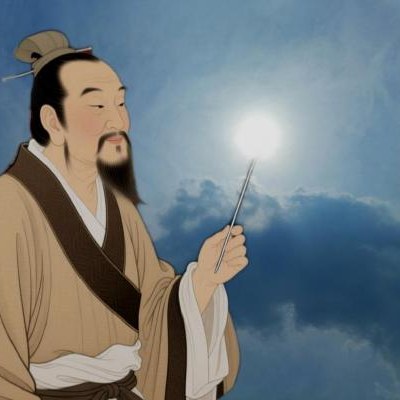
甄权
Zhen Quan
人物简介
《药性论》首论杜仲'治肾冷腰痛',拓展杜仲主治方向。
事迹
甄权(541—643),许州扶沟人,隋唐间著名医药学家。《旧唐书》载其103岁时被唐太宗亲访问药,为医林佳话。所著《药性论》四卷专论药物性味、君臣及治疗,是中药药性理论史上承前启后的著作,原书亡佚,内容大量保存于《证类本草》等引文中。
其论杜仲云:'杜仲,味苦。能治肾冷膂腰痛也。腰病人虚而身强直,风也。腰不利,加而用之。'这是本草文献中首次明确把杜仲的主治聚焦于'肾冷腰痛',并给出了'腰不利加而用之'的临床加减思路,直接影响了《日华子本草》、王好古乃至张锡纯益督丸的用药传统。
重要活动 / 事件
- 隋开皇年间(581—600)曾官秘书省正字,后以医显于唐初
- 贞观年间以103岁高龄应唐太宗召问药性,授朝散大夫
- 另撰《明堂人形图》《针经钞》等针灸著作,兼通针灸与方药
代表贡献
- 著《药性论》(《药性本草》),专论药性君臣佐使与主治病证
- 论杜仲'能治肾冷膂腰痛也。腰病人虚而身强直,风也,腰不利,加而用之'
- 首次将杜仲明确指向'肾冷腰痛',为杜仲补肾治腰经典功效奠定理论基础
- 提出杜仲'味苦'之说,引发缪希雍等后世医家对杜仲性味的深入辨析
Profile
His Yaoxing Lun (Treatise on Drug Properties) first stated that Eucommia 'treats kidney-cold lumbar pain', expanding its therapeutic scope.
Story
Zhen Quan (541–643), of Fugou in Xuzhou, was a famous physician-pharmacologist of the Sui–Tang transition. The Old Book of Tang records that Emperor Taizong personally consulted him on medicines when he was 103—a celebrated anecdote of medical history. His four-juan Yaoxing Lun systematically discussed drug flavors and natures, hierarchical roles, and treatments, a pivotal work in the history of Chinese drug-property theory; the original is lost, but much of its content survives in quotations in the Zhenglei Bencao and elsewhere.
His statement on Eucommia: 'Duzhong, bitter in flavor. It can treat kidney-cold lumbar and spinal pain. When a lumbar patient is deficient with bodily stiffness, that is wind; when the lower back is unaccustomed, add it to the formula.' This was the first time the materia medica literature explicitly focused Eucommia's indications on 'kidney-cold lumbar pain', and it offered the clinical modification idea of 'adding it when the lower back is unaccustomed', directly influencing the medication tradition of the Rihuazi Bencao, Wang Haogu, and even Zhang Xichun's Yidu Pill.
Milestones
- During the Sui Kaihuang era (581–600) served as a collator in the Palace Library; later rose to medical prominence in the early Tang
- In the Zhenguan era, at the age of 103, answered Emperor Taizong of Tang's summons on drug properties and was granted the title Grand Master for Court Service
- Also wrote acupuncture works such as Mingtang Renxing Tu and Zhenjing Chao, mastering both acupuncture and herbal prescriptions
Key Contributions
- Authored the Yaoxing Lun (also called Yaoxing Bencao), devoted to drug properties, sovereign-minister-assistant-courier roles, and the disorders treated
- Stated of Eucommia: 'it can treat kidney-cold lumbar and spinal pain. When a lumbar patient is deficient with bodily stiffness, that is wind; when the lower back is unaccustomed, add it to the formula'
- First explicitly directed Eucommia toward 'kidney-cold lumbar pain', laying the theoretical foundation for its classic kidney-tonifying, lumbar-treating action
- Proposed that Eucommia is 'bitter in flavor', prompting later physicians such as Miao Xiyong to analyze its flavor and nature in depth

i 杜仲 · 杜仲全产业链大数据平台i DuZhong · Eucommia Full-Chain Data Platform
iduzhong.factorydossier.com